Functional Medicine Testing Options for my patients
This page is for educational purposes only and is not a substitute for individualized medical evaluation or recommendations. Not every test is appropriate for every person. Specific testing recommendations should depend on your clinical history, symptoms, and shared decision-making with your clinician.
Extensive Lab Testing -
Functional lab testing often looks beyond standard labs to assess inflammation, nutrient status, hormones, and metabolic health. These tests can provide additional information that clinicians consider when building individualized care plans.
See examples of optional lab panels that I created (and love) below.
Functional Stool Testing - GI MAP
An advanced DNA-based stool test that evaluates gut bacteria, parasites, viruses, fungi, digestion, inflammation, and immune function. This test helps identify imbalances that may contribute to bloating, IBS, autoimmune issues, hormonal imbalances, mood changes, and systemic inflammation.
Hormone testing - DUTCH
A comprehensive dried urine hormone test that provides detailed insight into sex hormones, cortisol patterns, and hormone metabolism. A Dutch test also provides information on phases 1 and 2 of detoxification that occur in the liver, telling us what pathways need support.
Heavy Metal Testing -
Heavy metal testing may provide information about toxic metal burden, which clinicians may consider when evaluating neurological, immune, and metabolic symptoms. Heavy metals can impact weight, energy levels, brain and bone health. If high, chelation and proper detoxication may become a part of the treatment plan.
Tick Borne Disease (TBD) testing - iGenex
Advanced testing for Lyme disease and associated co-infections such as Bartonella, Babesia, and Ehrlichia. These infections often go undetected on standard labs and can contribute to chronic fatigue, pain, neurological symptoms, psychiatric symptoms and immune dysfunction. TBD’s initially manipulate the hosts immune system, making them often hard to detect by the person who's been infected for years. For most patients, something years later like COVID, menopause or trauma (emotional or physical) can dysregulate the immune system in a different way, allowing TBD symptoms to suddenly flare, often for the first time.
Food Sensitivity testing - ALCAT
A blood test that looks at how your immune cells react to specific foods, additives, and chemicals, helping identify items that may be contributing to inflammation or symptoms like bloating, fatigue, headaches, or joint pain. It’s not an allergy test, but rather a way to uncover delayed food sensitivities that can affect overall health and wellness.
Mold Toxicity -
Assesses exposure to mold and mycotoxins that can impact neurological, immune, and hormonal health. This testing is helpful to do when looking for root cause of illness, especially for patients with chronic symptoms such as unexplained fatigue, exercise intolerance, unexplained low hormone levels, inflammation or weight gain.
Small intestinal bacterial overgrowth (SIBO) -
A breath test that measures hydrogen and methane gases produced by bacteria in the small intestine. SIBO can contribute to bloating, constipation, diarrhea, nutrient deficiencies, and systemic inflammation.
Genetic testing - IntellXXDNA
Analyzes key genetic pathways related to detoxification, inflammation, hormone metabolism, neurotransmitters, and nutrient needs. This information helps personalize nutrition, supplements, and lifestyle strategies for long-term health optimization.
EEG (electroencephalogram) of the brain -
Measures the brain’s electrical activity in real time, providing insight into how different regions of the brain are functioning and communicating. It can help identify patterns associated with dysregulation, inflammation, trauma, attention issues, mood disorders, and sleep disturbances.
Mitochondrial Function - MeScreen
Evaluates how efficiently your cells produce energy by assessing key metabolic and mitochondrial markers. This testing can help uncover root causes of fatigue, exercise intolerance, and chronic illness.
Tests are tools. A clinician interprets results within the context of your health history and goals, and determines what tests provide meaningful insight before ordering them.
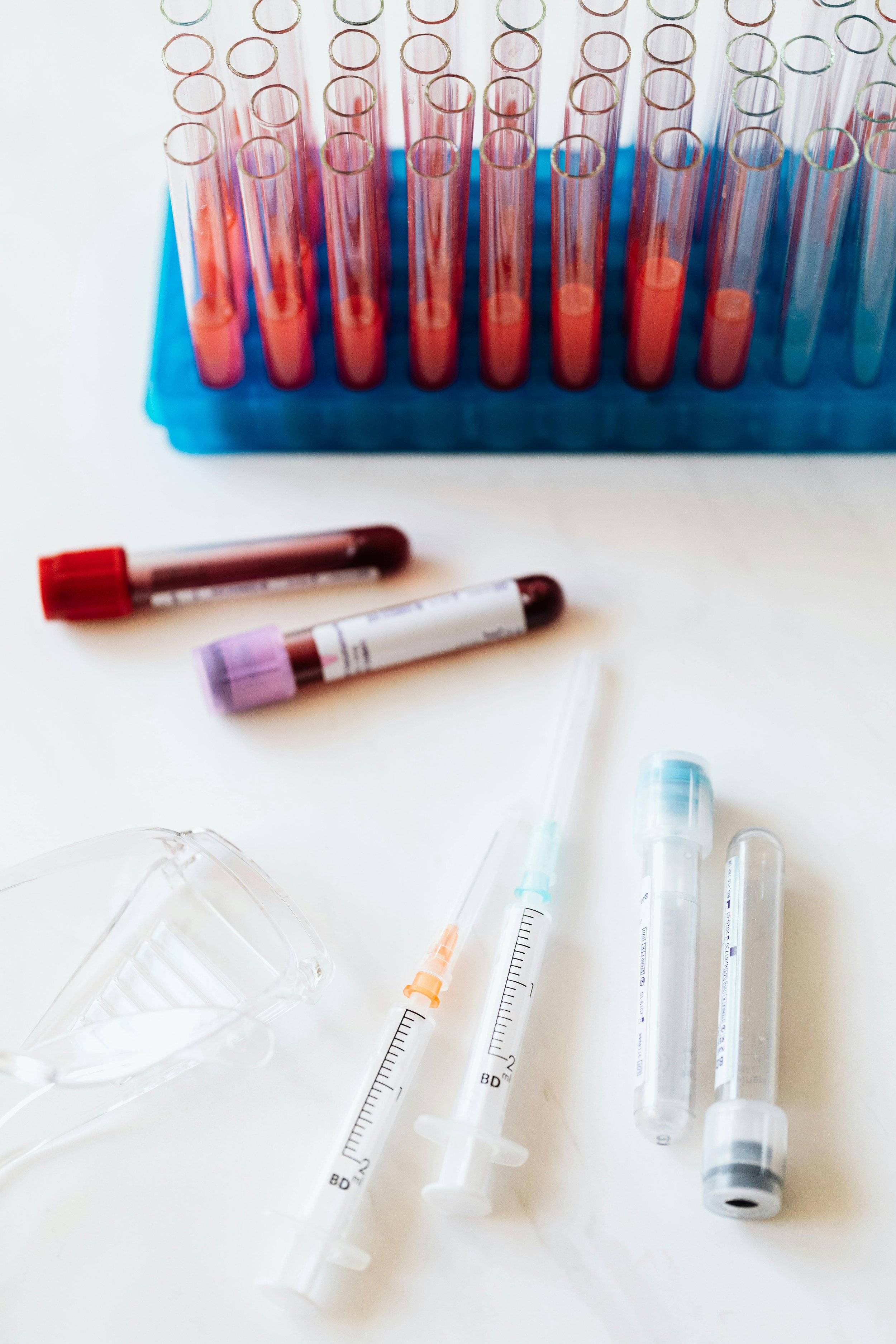
OPTIONAL LAB TEST PANELS
NOTE: While almost all lab tests are available to my patients, I have created some panels based on my desire to take a comprehensive look, in particular when it comes to women’s health and hormones, and longevity panels for both men and women.
Variations and add-on’s are always possible!
WOMEN’S LONGEVITY Panel
General Health, Nutrients & Cellular Support
Complete Blood Count (CBC)
• Evaluates red and white blood cells and platelets to screen for anemia, immune status, and overall blood health.Comprehensive Metabolic Panel (CMP)
• Assesses electrolytes, blood sugar, liver function, and kidney function to evaluate metabolic and organ health.Iron Level & Total Iron Binding Capacity (TIBC)
• Evaluates iron availability and balance, which can influence energy, oxygen delivery, and metabolic function.Vitamin B12 Level
• Measures B12 status, essential for energy production, nerve health, and cognitive function.Vitamin D Level
• Assesses vitamin D status, important for immune regulation, bone health, and healthy aging.Magnesium
• Evaluates magnesium levels, a key mineral involved in muscle function, nervous system balance, and metabolic health.
Advanced Cardiovascular & Lipid Assessment
Cholesterol Panel (LDL, HDL, Triglycerides)
• Evaluates lipid balance and cardiovascular risk factors related to long-term heart health.NMR Lipoprofile
• Provides a deeper analysis of cholesterol particle size and number, offering more detailed cardiovascular risk assessment.Lipoprotein (a)
• Screens for a genetically influenced risk factor associated with cardiovascular disease.
Comprehensive Hormone Panel
Estradiol
• The primary estrogen in women, supporting bone health, cardiovascular function, and healthy aging.Progesterone
• Supports hormonal balance, sleep quality, mood, and stress resilience.Pregnenolone
• A foundational hormone involved in stress response, cognitive function, and downstream hormone production.Free & Total Testosterone
• Assesses androgen levels related to muscle mass, energy, libido, and cognitive health.Sex Hormone Binding Globulin (SHBG)
• Evaluates hormone availability by measuring how tightly hormones are bound in the bloodstream.DHEA-S
• An adrenal hormone reflecting adrenal reserve and serving as a precursor to other sex hormones.
Complete Thyroid Panel
TSH, Free T3, Free T4
• Evaluates thyroid signaling and active thyroid hormone levels that regulate metabolism and energy.Thyroid Antibodies
• Screens for autoimmune thyroid conditions that may impact thyroid function over time.Reverse T3
• Assesses how efficiently thyroid hormone is converted into its active form.
Markers of Inflammation & Metabolic Health
Hemoglobin A1c
• Reflects average blood sugar control over the past 2–3 months.Insulin Resistance Markers
• Evaluates how effectively the body responds to insulin and manages blood sugar.High-Sensitivity CRP (hs-CRP)
• A marker of systemic inflammation associated with cardiovascular and metabolic risk.Homocysteine
• Assesses cardiovascular and methylation health, often influenced by B-vitamin status.Ferritin
• Measures iron storage and can also reflect underlying inflammation.ttG (Tissue Transglutaminase Antibodies)
• Screens for celiac disease and immune reactions to gluten.
MEN’S LONGEVITY Panel
General Health, Liver Function & Nutrient Status
Complete Blood Count (CBC)
• Evaluates red and white blood cells and platelets to assess anemia, immune health, and overall blood status.Comprehensive Metabolic Panel (CMP)
• Assesses electrolytes, blood sugar, liver enzymes, and kidney function to evaluate metabolic and organ health.GGT (Gamma-Glutamyl Transferase)
• A sensitive marker of liver health and oxidative stress, often linked to metabolic and cardiovascular risk.Iron Level & Total Iron Binding Capacity (TIBC)
• Evaluates iron balance and availability, which can affect energy levels and metabolic health.Vitamin D Level
• Assesses vitamin D status, important for immune function, bone strength, and hormone support.Magnesium
• Measures a key mineral involved in muscle function, cardiovascular health, and nervous system balance.Fibrinogen Activity
• Evaluates clotting and inflammatory activity, which can relate to cardiovascular risk.Prostate-Specific Antigen (PSA)
• Screens prostate health and helps establish a baseline for long-term monitoring.
Advanced Cardiovascular & Lipid Assessment
Cholesterol Panel (LDL, HDL, Triglycerides)
• Evaluates lipid balance and cardiovascular risk factors.NMR Lipoprofile
• Provides advanced analysis of cholesterol particle size and number for more precise cardiovascular risk assessment.Lipoprotein (a)
• Screens for a genetically driven cardiovascular risk factor not reflected in standard cholesterol testing.Apolipoprotein B (ApoB)
• Measures the number of atherogenic particles, offering a more accurate assessment of cardiovascular risk.
Comprehensive Hormone Panel
Progesterone
• Supports hormone balance, sleep quality, and nervous system regulation in men.Free & Total Testosterone
• Evaluates androgen status related to muscle mass, energy, mood, libido, and metabolic health.Sex Hormone Binding Globulin (SHBG)
• Assesses how much testosterone is available for use by the body.DHEA-S
• An adrenal hormone reflecting adrenal reserve and overall stress resilience.Insulin-Like Growth Factor-1 (IGF-1)
• A marker of growth hormone activity, associated with muscle maintenance, recovery, and healthy aging.
Complete Thyroid Panel
TSH, Free T3, Free T4
• Evaluates thyroid signaling and active hormone levels that regulate metabolism and energy.T3 Uptake
• Helps assess thyroid hormone binding and availability.Reverse T3
• Evaluates how efficiently thyroid hormone is converted into its active form.Thyroid Antibodies
Screens for autoimmune thyroid conditions that may affect thyroid function.
Markers of Inflammation & Metabolic Health
Hemoglobin A1c
• Reflects average blood sugar control over the past 2–3 months.Insulin Resistance Markers
• Evaluates how effectively the body responds to insulin and manages blood sugar.High-Sensitivity CRP (hs-CRP)
• A marker of systemic inflammation associated with cardiovascular and metabolic risk.Homocysteine
• Assesses cardiovascular and methylation health, often influenced by B-vitamin status.Ferritin
• Measures iron storage and can also reflect underlying inflammation.tTG (Tissue Transglutaminase Antibodies)
• Screens for celiac disease and immune reactions to gluten.
WOMEN’S HORMONE Panel
General Health & Nutrient Status
Complete Blood Count (CBC)
• Evaluates red and white blood cells and platelets to screen for anemia, infection, and overall blood health.Comprehensive Metabolic Panel (CMP)
• Assesses electrolytes, blood sugar, liver function, and kidney function to provide a broad snapshot of metabolic health.Iron Level & Total Iron Binding Capacity (TIBC)
• Evaluates iron status and iron availability, which can impact energy, hair health, and hormone balance.Vitamin B12 Level
• Assesses B12 status, which is important for energy production, nerve function, and cognitive health.Vitamin D Level
• Measures vitamin D status, a key hormone-like nutrient involved in immune function, bone health, and mood regulation.Cholesterol Panel (LDL, HDL, Triglycerides)
• Evaluates lipid balance and cardiovascular risk, and provides insight into hormone-building capacity.
Comprehensive Hormone Panel
Estradiol
• The primary estrogen in women, important for menstrual health, bone density, mood, and cardiovascular support.Progesterone
• Supports cycle balance, sleep, mood, and helps counterbalance estrogen.Free & Total Testosterone
• Assesses androgen levels related to energy, muscle tone, libido, and cognitive function.Sex Hormone Binding Globulin (SHBG)
• Measures the protein that regulates how much estrogen and testosterone are available to the body.DHEA-S
• An adrenal hormone that serves as a precursor to sex hormones and reflects adrenal reserve.LH & FSH
• Pituitary hormones that help assess ovarian function and menopausal or perimenopausal status.Prolactin
Evaluates pituitary signaling and can influence menstrual regularity and hormonal balancing.
Complete Thyroid Panel
TSH, Free T3, Free T4
• Assesses thyroid signaling and active thyroid hormone levels that regulate metabolism, energy, and temperature.Thyroid Antibodies
• Screens for autoimmune thyroid conditions that may affect thyroid function over time.Reverse T3
• Evaluates how efficiently thyroid hormone is being converted into its active form.
Markers of Inflammation & Metabolic Health
Hemoglobin A1c
• Reflects average blood sugar control over the past 2–3 months.High-Sensitivity CRP (hs-CRP)
• A marker of systemic inflammation associated with cardiovascular and metabolic risk.Homocysteine
• Evaluates cardiovascular and methylation health, often influenced by B-vitamin status.Ferritin
• Measures iron storage and can also serve as an indirect marker of inflammation.ttG (Tissue Transglutaminase Antibodies)
• Screens for celiac disease and immune reactions to gluten.